Why Commercial Property Maintenance Should Be Part of Every Business Operations Plan
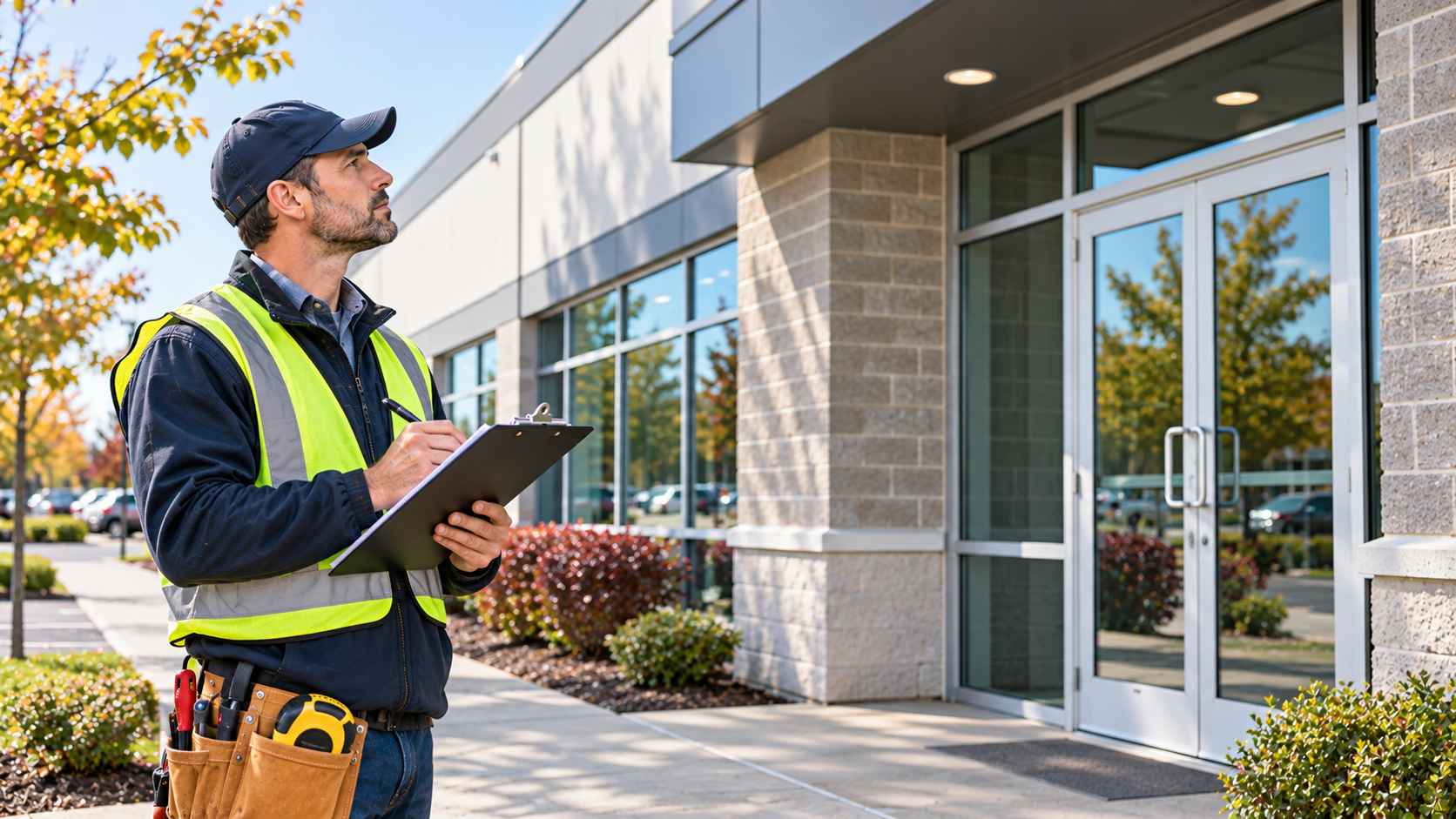
Commercial property maintenance is an important responsibility for businesses that operate from offices, retail stores, industrial facilities, and other commercial spaces. While daily operations often focus on customers, employees, and financial performance, the physical condition of a building also deserves consistent attention.
Small maintenance concerns can develop gradually. Damaged drywall, deteriorating exterior surfaces, leaking eavestroughs, or uneven walkways may initially appear manageable, but leaving them unresolved can create operational difficulties.
For businesses in Ottawa and the National Capital Region, seasonal weather adds another consideration. A structured maintenance plan helps property managers identify concerns, organize repairs, and maintain functional spaces throughout the year.
Why Building Conditions Matter for Business Operations
The physical condition of a commercial property influences how employees, customers, and visitors experience the space.
A clean, functional environment supports everyday activities and contributes to a professional appearance.
For retail businesses, damaged entrances or poorly maintained exterior surfaces may affect customers’ first impressions. In office environments, deteriorating walls, doors, or fixtures can make shared spaces less comfortable.
Industrial properties may face different concerns involving heavy-use areas, access points, and building surfaces.
Local maintenance providers such as Gillespie Handyman Services offer repair assistance for commercial properties in Ottawa and surrounding communities.
Maintaining a property does not require every surface to look new. The priority should be keeping the premises functional, safe, and appropriately maintained.
The Importance of Routine Property Inspections
Regular inspections help businesses identify maintenance concerns before they become more complicated.
A practical inspection may include checking walls, ceilings, entrances, flooring, exterior surfaces, and visible drainage components.
Property managers should look for water stains, loose fixtures, deteriorating paint, damaged concrete, and other noticeable changes.
Inspection frequency can vary depending on the building’s age, usage, and condition.
For example, a busy retail entrance may require more frequent attention than a storage area with limited foot traffic.
Keeping photographs and written maintenance records can help businesses monitor recurring issues and determine which repairs need attention.
Routine observation should complement, rather than replace, legally required inspections or assessments performed by qualified specialists.
Maintaining Entrances, Walkways, and Exterior Areas
Commercial entrances and walkways receive regular use from employees, customers, delivery personnel, and visitors.
Uneven concrete, damaged steps, loose handrails, or deteriorating exterior surfaces may create safety concerns.
In Ottawa, freezing temperatures, snow accumulation, and repeated freeze-thaw cycles can contribute to surface damage.
Property managers should inspect accessible walkways for cracks, uneven sections, and other visible deterioration.
Outdoor stairs, railings, and entrance fixtures should also be checked for stability.
Where significant structural damage or unsafe conditions are suspected, the affected area should be appropriately secured and assessed by qualified professionals.
Maintaining clear, accessible entrances is an important part of keeping commercial properties usable throughout the year.
Addressing Drywall, Paint, and Interior Repairs
Interior surfaces experience gradual wear through normal business activity.
Office walls may develop scuffs from furniture movement, while retail spaces may experience damage around displays, storage areas, and frequently used corridors.
Drywall cracks, peeling paint, and damaged trim can affect a property’s overall presentation.
Minor cosmetic concerns may be suitable for scheduled maintenance.
However, recurring cracks, bulging drywall, or visible moisture stains may indicate underlying problems requiring further assessment.
Businesses should identify the cause of deterioration before completing repairs that simply cover visible damage.
Regular interior maintenance can help preserve a clean, organized appearance without requiring extensive renovations.
Why Eavestrough and Exterior Maintenance Matter
Eavestroughs, downspouts, siding, soffits, and fascia help protect commercial buildings from weather exposure.
When drainage systems become blocked or damaged, rainwater and melting snow may collect near exterior walls or foundations.
Property managers should monitor visible gutter leaks, sagging sections, and drainage problems.
Exterior siding and roofline components should also be inspected for loose materials, cracks, or deterioration.
These concerns are particularly relevant during Ottawa’s spring thaw and periods of heavy rainfall.
Maintenance involving roof edges, elevated surfaces, or specialized equipment should be assigned to appropriately qualified professionals.
Timely attention to exterior concerns can help protect building materials and maintain the property’s appearance.
How Unresolved Maintenance Issues Can Interrupt Operations
Maintenance problems can sometimes interfere with normal business activities.
A leaking ceiling may require moving equipment or temporarily restricting access to part of an office.
Damaged entrance steps could affect customer access, while malfunctioning doors may inconvenience employees and delivery personnel.
The extent of disruption depends on the nature of the issue and how the space is used.
Businesses can reduce avoidable scheduling difficulties by identifying concerns early and arranging suitable repair work.
For non-urgent projects, maintenance may be coordinated outside peak operating periods.
More serious safety concerns should receive prompt attention rather than being postponed solely for convenience.
Organizing Maintenance Requests and Repair Priorities
A centralized maintenance system can help businesses manage repair responsibilities.
Employees should know how to report problems and whom to contact when something requires attention.
Maintenance requests can be organized according to urgency, location, and the type of work required.
A practical priority system might distinguish between:
- Urgent issues: Active leaks, unsafe structures, or problems requiring immediate safety precautions.
- Necessary repairs: Damaged doors, deteriorating surfaces, or problems affecting normal building use.
- Routine maintenance: Paint touch-ups, minor drywall repairs, and scheduled exterior inspections.
- Optional improvements: Cosmetic upgrades or changes intended primarily to refresh the property’s appearance.
Clear priorities help property managers schedule work according to operational needs and available resources.
Working Effectively With Maintenance Contractors
Clear communication is important when coordinating commercial repairs.
Before work begins, businesses should explain the problem, identify affected areas, and clarify any access restrictions.
Photographs and written descriptions can help contractors understand the requested work.
Businesses considering commercial handyman and facility maintenance services can review available assistance for general repairs, drywall, paint, concrete, eavestroughs, and exterior maintenance.
Project discussions should cover the proposed scope, materials, scheduling, and expected disruption.
It is also important to recognize that some work requires licensed tradespeople, engineering assessments, permits, or specialized inspections.
Routine handyman services do not replace these professional requirements.
Understanding Building Standards and Compliance
Commercial maintenance planning should consider applicable building standards and regulatory obligations.
Ontario’s Building Code establishes technical requirements relevant to building construction, renovation, and certain changes of use.
Depending on the project, businesses may need to confirm whether permits, inspections, or particular construction standards apply.
Other requirements, including applicable fire safety, accessibility, and workplace obligations, may also be relevant.
Property managers should verify requirements with the appropriate municipal authorities and qualified professionals before undertaking regulated work.
Not every routine maintenance task requires a building permit, but businesses should avoid assuming that all repairs are exempt from regulatory requirements.
Planning Commercial Maintenance Budgets
Maintenance planning should be part of an organization’s regular budgeting process.
Rather than considering repairs only when problems arise, businesses can identify recurring tasks and anticipate the need for periodic maintenance.
A practical budget may account for routine inspections, minor repairs, seasonal work, and unexpected maintenance concerns.
Previous maintenance records can help identify recurring issues and inform future planning.
Commercial properties with heavy foot traffic or extensive exterior areas may have different priorities from smaller offices.
Budget decisions should reflect the property’s condition, operational requirements, and available resources.
The objective is not to promise specific financial savings, but to make maintenance responsibilities more predictable and organized.
Conclusion: Make Property Maintenance an Ongoing Priority
Commercial property maintenance should be treated as a regular operational responsibility rather than an occasional response to visible damage.
Routine inspections, timely repairs, clear maintenance priorities, and effective contractor communication can help businesses manage their premises responsibly.
For Ottawa businesses, seasonal weather and varying property uses make consistent maintenance planning especially valuable.
By including building care in operational schedules and budgets, business owners and property managers can support functional, professional environments for employees, customers, and visitors throughout the year.